
Regional Australia is not moving as one market — and investors are only just waking up to the divergence. Across the country, post-COVID migration, lifestyle shifts, and capital flows have reshaped the property landscape in ways national statistics only hint at. For those who rely on spreadsheets or capital city headlines, the risk of misreading this market is growing — quietly but materially.
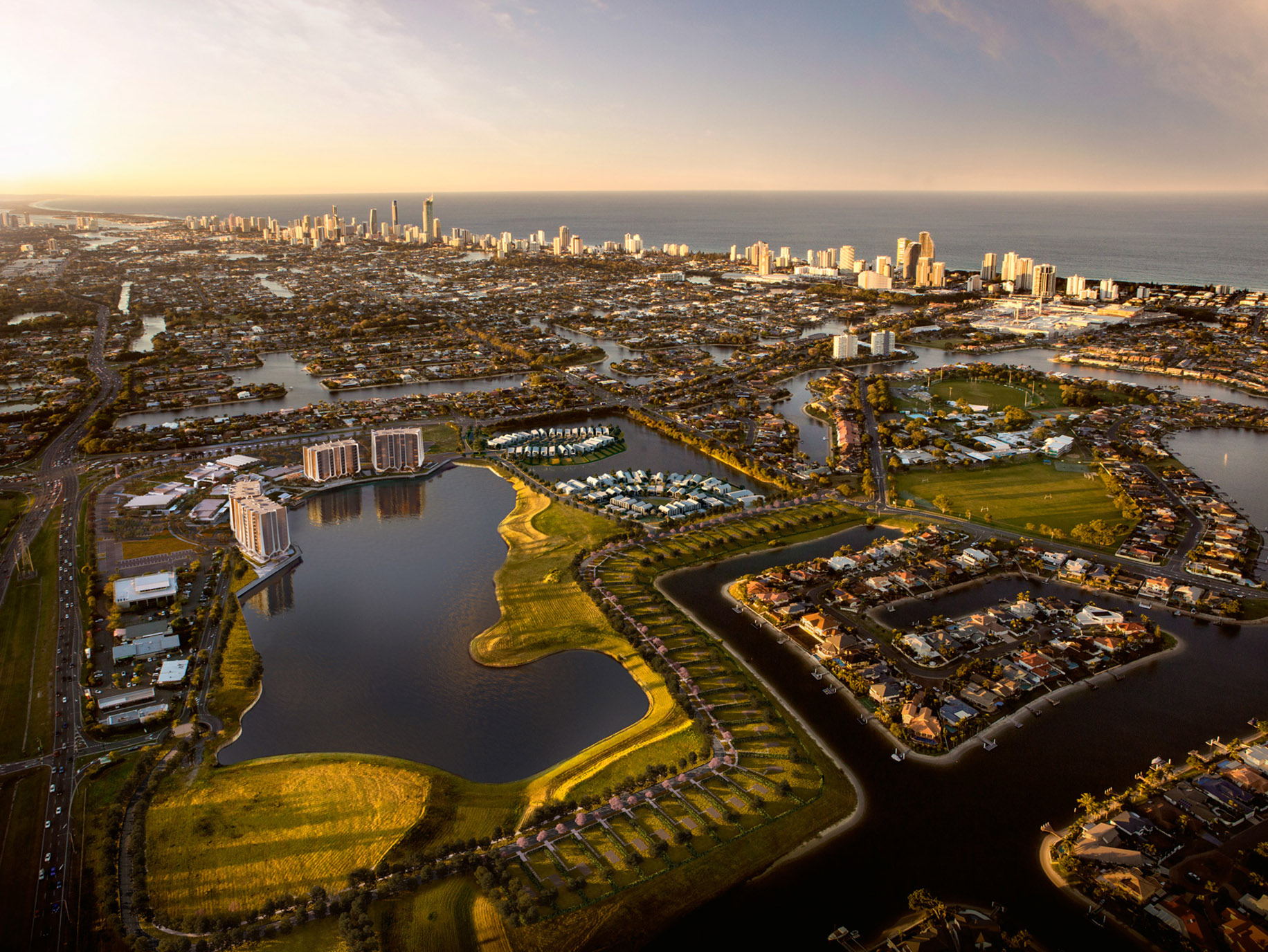
Consider South-East Queensland. Cities and regional hubs there continue to absorb migration at a pace few regions can match. Housing demand is robust, rental markets are tight, and commercial leases in essential sectors remain stable. Developers and investors are reporting that growth isn’t speculative — it’s structural, driven by jobs, infrastructure, and scale. In short, SE Qld is compounding post-COVID momentum, and the ripple effects are being felt across residential and commercial assets alike.
Contrast that with smaller towns in Victoria. Many of these markets are no longer buoyed by sentiment alone. Without local employment, infrastructure investment, or population growth, housing markets are stalling. Shops and local businesses are struggling, and leases that once seemed secure are being quietly renegotiated or surrendered. Investors who assumed all regional markets would follow the post-COVID growth trajectory are discovering just how uneven outcomes can be.
And yet, Victoria is also revealing an unexpected shift: family homes in holiday and lifestyle focused regions, such as Yarrawonga, are moving fast. Twelve months ago, these properties were largely seasonal or speculative; now, family buyers are anchoring themselves in long-term lifestyle arrangements and investors too, are making purchases. This isn’t just anecdotal. Regional agents report a surge in sales between from Spring 2025, slowing towards the end of January. At the top end of the market however, movements remain restrained. Buyers are cautious, likely due to the Victorian government’s now higher weighted land tax fees for investment properties. For investors paying attention, the message is clear: even within a single state, divergent forces are reshaping demand, supply, and income potential. And for those looking for premium lifestyle access in Yarrawonga, Victoria; the buyer opportunity feels safer, just a stone’s throw across the water at Mulwala.

The pattern repeats itself across sectors. On the commercial side, regional yields are becoming more location-specific rather than sector-wide. Leases in essential services, logistics, health, and diversified local business hubs are holding firm, while retail assets in declining centres are seeing revenue erosion. Investors armed with on-the-ground intelligence — from commercial investment advisors, property managers, and local agents — are able to see the difference before it hits the statistics. Those without this lens risk being blindsided.
This divergence is not just a market curiosity — it’s an investor problem. Misreading regional dynamics can mean capital misallocation, underperforming yields, and missed opportunity. Relying solely on median price growth or broad national trends is increasingly dangerous. The headlines suggest stability; the reality on the ground tells a different story. One region booms quietly, another drifts, and a third surges in unexpected ways. Investors need insight that bridges the gap between macro data and micro reality.
So, what’s the solution? How can investors navigate this increasingly fragmented landscape? The answer lies in structured intelligence: a consistent, triangulated understanding of the markets that matter most. Investors who stay ahead are those who synthesize multiple sources:
-
Regional property agents, who see transactions, listing trends, and buyer behaviour first-hand.
-
Commercial investment advisors, who monitor yields, lease renewals, and tenant resilience across sectors.
-
On-the-ground observation, noting which shops close, which housing markets stagnate, and where growth is accelerating beyond conventional metrics.
With this lens, investors can make better-informed decisions, not just speculate on hope or hype. They can identify which towns are likely to deliver stable returns, which sectors are resilient, and which opportunities are fleeting.
The stakes are high because regional divergence is only growing. South-East Queensland’s growth momentum is not likely to slow, while certain small Victorian towns continue to face structural stagnation. Holiday and lifestyle markets in Victoria are redrawing the map of demand in ways that most analysts didn’t anticipate twelve months ago. Meanwhile, commercial yields are recalibrating, and rental streams are becoming the signal investors can trust — if they know where to look.

Understanding these patterns before they hit the headlines separates reactive investors from proactive ones. It’s not about chasing trends; it’s about seeing the signals early, triangulating them across residential and commercial markets, and interpreting what they mean for income, risk, and long-term growth.
For investors who want to see these signals before they become stories, Regional Homes Australia Investor Brief is designed to deliver that insight. Each month, the brief synthesizes regional market intelligence from multiple touch points — commercial advisors, property agents, and active markets — and translates it into actionable perspective. Subscribers gain a window into where capital is holding, where it is quietly leaving, and where opportunity is quietly compounding.
The Investor Brief – Subscription Newsletter by Regional Homes AU
At $89.95 per month, the Investor Brief is not a casual newsletter. It is a thinking product. One that helps readers avoid blind spots, mispriced risk, and lazy assumptions about regional property markets. If even a single insight prevents a poorly timed investment decision, the subscription has paid for itself many times over.
Regional markets are no longer uniform. Divergence is the story, and clarity is rare. Regional Homes Australia Investor Brief is designed to provide it.
[Subscribe SOON → $89.95/month] – check in at RHA for further details first week in February 2026.
This publication provides general information only and does not constitute financial or investment advice.

Comments are closed.